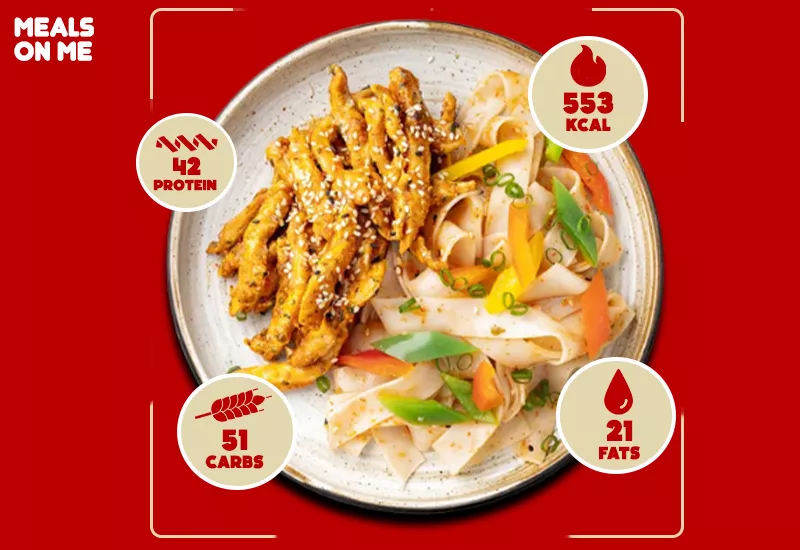
In the health-conscious world of today, the saying “you are what you eat” has never been truer. But in a world when fast food options are more readily available and diet trends come and go, the idea of a balanced meal is still a timeless foundation for wellbeing. But what, exactly, is a balanced meal? Does this synergy between food groups have a deeper scientific basis, or is it merely a platter of greens?
The following article explores the components of a balanced plate, the importance of eating a balanced diet for your body and brain and how to easily fit macro-balanced meals into your routine, particularly when time is of the essence.
What Defines a Balanced Meal?
A balanced meal gives your body with everything it needs to feel recharged, centred and satisfied. It consists of the three main macronutrients – carbs, proteins and fats, as well as a significant quantity of fibre, vitamins and minerals. When these elements come together in the right proportions, your body runs better.
- A common way to visualise this is the balanced plate approach. This method suggests:
- 50% vegetables and fruits (for fibre, antioxidants, vitamins)
- 25% lean protein (for muscle maintenance and satiety)
- 25% whole grains or complex carbohydrates (for sustained energy)
- A small portion of healthy fats (for hormonal and brain function)
It isn’t about restricting the meals you like. The goal is to support your body, prolong feelings of fullness and maintain consistent energy levels during the day by combining the appropriate components.
Key Components of a Balanced Meal
To truly understand how to build a balanced plate, we must look at the role of each nutritional component. When you know what your body needs, you’re better equipped to make food choices that are good for you.
Carbohydrates:
Carbs are often misunderstood, but they are your body’s main source of fuel. Choosing slow-releasing, complex carbohydrates like brown rice, quinoa, oats, and lentils gives your body long-lasting energy and helps you stay full. They also provide fibre, which keeps your digestive system healthy.
Why they matter:
Complex carbs release energy slowly, helping to keep you fuller for longer while maintaining steady blood sugar levels.
Smart choices:
Sweet potatoes, lentils, chickpeas, brown rice, bulgur wheat.
Proteins:
Protein is essential for building and repairing muscles, supporting immunity, and keeping hunger in check. While you eat meat, fish, eggs or plant-based options like tofu, lentils, or chickpeas, including protein in every meal helps balance your blood sugar and leaves you feeling satisfied.
Why they matter:
They play a key role in recovery, immunity, and metabolic regulation.
Smart choices:
Chicken breast, tofu, paneer, Greek yoghurt, fish, eggs, lentils, and plant-based proteins.
Fats:
Healthy fats are important for brain function, hormone production and absorbing vitamins. Despite past diet trends demonising fat, the body actually requires healthy fats for hormone production, brain health and the absorption of fat-soluble vitamins (A, D, E, and K).
Why they matter:
They aid nutrient absorption, boost satiety, and protect against inflammation.
Smart choices:
Avocados, olive oil, nuts, seeds, flaxseeds, and oily fish.
Fibre:
Fibre supports digestion, helps regulate blood sugar levels, and keeps you full. It comes mostly from vegetables, fruits, legumes, and whole grains. Meals that include enough fibre help reduce the need for mindless snacking and support a healthy gut.
Why it matters:
Fibre regulates bowel movements, stabilises blood sugar and improves cholesterol levels.
Smart choices:
Leafy greens, cruciferous vegetables, oats, beans, berries, whole grains.
Together, these parts form the base of healthy eating habits. When you regularly eat meals that include each of these elements, your body is better equipped to stay energised, focused and in balance.
What Happens When Your Meals Are Not Balanced?
Eating imbalanced meals occasionally is not the end of the world. However, when this becomes a daily habit, your body begins to feel the repercussions.
For example, if you eat a meal high in carbs and low in other nutrients, your energy will jump quickly and then sink. Is it midday exhaustion or a sugar craving? It is generally caused by a lack of protein or fibre earlier in the day.
On the other side, avoiding carbs or not getting enough fat can make you feel cranky, sleepy, or continuously hungry. Your body need a variety of nutrients to function properly.
Over time, eating unbalanced meals can contribute to:
- Ongoing fatigue and low energy
- Difficulty concentrating
- Cravings and frequent snacking
- Weight gain or trouble maintaining a healthy weight
- Mood swings or irritability
Balanced eating is not about dieting or chasing perfection. It is about feeding your body what it needs to feel good and work at its best.
What Does a Balanced Meal Look Like? (From Our Own Menu)
1. Moroccan Lamb with Couscous, Roasted Carrots & Pomegranate Mint Salsa
This dish brings warmth and depth with tender lamb, paired with fluffy couscous and sweet roasted carrots. The pomegranate mint salsa on top adds brightness and freshness, with a hint of crunch.
What makes it balanced: The lamb provides high-quality protein and iron. Couscous gives you slow-releasing carbs, while the vegetables and herbs add fibre and antioxidants. The salsa lifts the whole dish with natural flavour, no extras needed.
2. Paneer Tikka with Masala Millet, Grilled Vegetables & Coriander Chutney
A satisfying vegetarian plate that brings Indian flavours together in a balanced way. The grilled paneer offers protein and richness, millet acts as a wholesome grain base, and the vegetables bring colour and crunch. The chutney gives it a tangy lift.
What makes it balanced: This meal gives you balance through familiar ingredients. You get protein from the paneer, fibre from the millet and the goodness of fresh vegetables and herbs, all tied together in a nourishing way.
3. Teriyaki Salmon with Steamed Rice, Edamame & Pickled Cucumber
A Japanese-inspired favourite with flaky salmon glazed in a light teriyaki sauce, served with steamed rice, crisp edamame, and a side of pickled cucumber for contrast.
What makes it balanced: Rich in Omega-3s, clean protein, and gentle carbs, this dish fuels the body while keeping things light. The pickles and edamame add fibre and a satisfying texture balance.
4. Stuffed Bell Pepper with Spiced Brown Rice, Black Beans & Avocado Cream
This plant-forward option is colourful and hearty. A roasted bell pepper is filled with a mix of brown rice and black beans, finished with a spoon of smooth avocado cream for natural fats and creaminess.
What makes it balanced: It’s fully plant-based but covers every nutritional base carbs, protein, healthy fats & fibre… while keeping portion sizes just right. It feels comforting but clean at the same time.
5. Chicken Shawarma Bowl with Hummus, Bulgur, Pickled Onion, and Greens
Middle Eastern flavours take the lead here. Juicy chicken shawarma is layered with nutty bulgur wheat, creamy hummus, pickled onion, and fresh leafy greens.
What makes it balanced: This bowl hits all the notes protein, grains, fibre, healthy fats and zingy extras for flavour. It’s one of those meals that feels indulgent but fuels you in all the right ways.
Explore our menu, choose what feels right, and let your next meal bring you back to balance.
With Meals on Me, eating well fits easily into real life.
Conclusion
Eating better does not mean striving for perfection. It’s about feeling comfortable in your own skin, maintaining energy and knowing that your meals are genuinely benefiting you. But, with hectic schedules, everyday decisions and everything else that fills a day, it’s easy to get into routines that feel handy but leave you exhausted.
That’s why balanced meals matter. At Meals on Me, we simply take care of it for you. Every meal is made with purpose, using clean ingredients and the right mix of protein, carbs, fibre and healthy fats. It’s food that supports your body without you needing to think twice.
Start now. One nourishing meal can change how your day feels. One good choice can lead to many more
FAQs
It is a meal that contains the right amounts of carbs, protein, fats and fibre to support your energy and wellbeing.
Fill half your plate with vegetables, one quarter with lean protein, and the rest with complex carbs. Add a little healthy fat on the side.
They release energy steadily and help avoid the highs and crashes caused by sugar-heavy or overly processed meals.
Not at all. Balance is about variety and portion awareness, not restrictions.
Every dish is designed by nutritionists and prepared by chefs to include clean ingredients, proper portions and a good mix of macros.