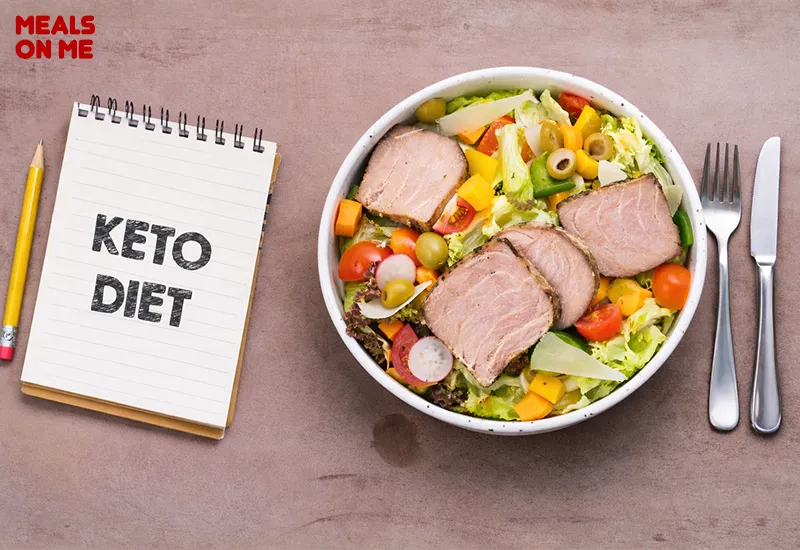
Is the keto diet genuinely effective or is it simply misunderstood?
The keto diet is often misunderstood rather than ineffective. The challenge is not keto itself, but how it is followed.
Some people swear by keto. Others claim it is too restrictive, too confusing or impossible to maintain. But the real debate is not about the diet. It is about what people are actually eating while trying to follow it.
Keto only works when the right foods are chosen. Not low-carb shortcuts. Not processed alternatives labelled as keto-friendly. And not poor quality fats that leave you tired and frustrated. A successful ketogenic lifestyle depends on following a clear keto food list that highlights nutrient-rich foods, healthy fats and protein sources that support long-term keto success.
At Meals on me, we believe keto is not the problem. Confusion is. That is why this guide simplifies keto eating, removing the confusion around which foods work and which ones do not. Every food included supports ketosis, sustained energy and long-term results.
What Is The Keto Diet?
The keto diet, also known as the ketogenic diet, is a nutritional approach that focuses on reducing carbohydrates and increasing fat intake so the body learns to burn fat for energy instead of sugar. When followed correctly, this process places the body into ketosis, a natural metabolic state where stored fat becomes the primary fuel source.
Many people assume that keto is simply about eating more fat. This misunderstanding is where most failures begin. Keto works best when you include a structured keto food list that supports ketosis and meets your nutritional needs. Choosing the best keto diet foods is about prioritising quality and balance, not extremes.
The basis of the keto diet: ketosis and ketones
The keto diet is built on two closely connected concepts: ketosis and ketones. While they are often used interchangeably, they mean different things and play distinct roles in how keto works.
Ketosis is a metabolic state. It describes what the body is doing when carbohydrate intake is low. Instead of relying on glucose from carbs for energy, the body shifts to burning fat. When this shift happens, the body is said to be in ketosis. This state allows fat to become the primary fuel source.
Ketones are the fuel produced during this process. As fat is broken down in the liver, it is converted into ketones. These ketones circulate in the bloodstream and are used by the brain, muscles and organs for energy when glucose is limited.
In simple terms, ketosis is the condition the body enters, and ketones are the energy molecules created as a result.
For the keto diet to work effectively, the body must remain in ketosis, which means ketone production needs to stay consistent. This depends heavily on food choices. Too many carbohydrates or poorly balanced protein intake can reduce ketone levels and pull the body out of ketosis.
This is why a structured keto approach matters. Choosing the right foods supports ketosis, encourages steady ketone production and allows the body to efficiently use fat as its main source of energy.
Keto Diet Plan: What Can I Eat on The Keto Diet?
A successful keto diet plan is not about strict rules or cutting out foods blindly. It is about making informed choices. Knowing which foods support ketosis helps your body stay in balance while still feeling nourished.
Healthy fats and keto fat foods
Fats form the foundation of the keto diet and act as the primary energy source. These healthy fats are considered good fats for the keto diet because they support ketosis, satiety your energy levels.
Foods to include are olive oil, avocado oil, coconut oil, butter, ghee, avocados, nuts, and seeds. These keto fat foods help keep you full and reduce cravings when carbs are limited.
High-protein keto foods
Protein is essential for muscle-maintenance, recovery, and overall health. The key is choosing high-protein keto foods that are naturally low in carbohydrates.
Good options include eggs, chicken, turkey, fish, seafood, lean cuts of meat, paneer, tofu, and tempeh.
Low-carbohydrate vegetables
Low-carbohydrate vegetables are an important part of the keto food list as they add fibre, vitamins and minerals while keeping carbs under control. Include leafy greens, spinach, kale, broccoli, cauliflower, courgette, cucumber, peppers, mushrooms, and cabbage. These good keto foods support digestion and overall balance.
Dairy in moderation
Certain dairy products fit well into a keto diet plan when consumed in moderation.
Cheese, Greek yoghurt, cream, and full-fat milk alternatives provide fats and protein while enhancing flavour and satisfaction. Always choose minimally processed options to stay aligned with clean keto foods.
Nuts and seeds
Nuts and seeds are nutrient-dense keto foods that provide healthy fats, fibre, and some protein. Almonds, walnuts, macadamia nuts, chia seeds, flaxseeds, and pumpkin seeds work great on keto when portion sizes are controlled.
Herbs, spices and condiments
Flavour does not need to be sacrificed on keto. Fresh herbs and spices add taste without carbs. Use salt, pepper, turmeric, cumin, garlic, ginger, basil, oregano and chilli carefully. Avoid sugar-based sauces and dressings to prevent slipping out of ketosis.
Foods to Avoid on Keto
Knowing what you cannot eat on keto is just as important as knowing what to include. Even small amounts of the wrong foods can push your body out of ketosis and slow your progress.
Sugar and sweetened foods
Sugar is the biggest barrier to ketosis. Foods like sweets, chocolates, desserts, cakes, biscuits, honey, syrups and sweetened drinks raise blood sugar levels quickly and stop fat burning. Even natural sugars can disrupt ketosis when consumed regularly.
Grains and grain-based foods
Bread, rice, pasta, cereals, oats, wheat, barley and corn are all high in carbohydrates. These foods are broken down into glucose in the body, which prevents ketosis and increases insulin levels.
Starchy vegetables
Vegetables like potatoes, sweet potatoes, yams, peas and corn contain higher amounts of carbohydrates than keto allows. While they may be nutritious in other diets, they can easily exceed daily carb limits on keto.
Most fruits
Fruits are often seen as healthy, but many are high in natural sugars. Bananas, apples, mangoes, grapes, pineapples and oranges can quickly push you out of ketosis. Small portions of berries may be allowed in some keto plans, but most fruits should be limited.
Legumes and pulses
Beans, lentils, chickpeas and peas are rich in carbohydrates. Although they provide fibre and protein, their carb content makes them unsuitable for maintaining ketosis.
Processed and low-fat foods
Low-fat products often contain added sugars or starches to improve taste. Processed foods may also include hidden carbohydrates that interfere with ketosis and overall health.
Sweetened dairy products
Flavoured yoghurt, sweetened milk, condensed milk and ice cream are high in sugars. These products can quickly increase carb intake and disrupt fat burning.
Alcohol and sugary beverages
Beer, sweet wines, cocktails and soft drinks contain high levels of sugar and carbs. Alcohol can also slow fat metabolism and make it harder to stay in ketosis.
How many carbohydrates are allowed on the keto diet?
Keto works because carbohydrates are kept very low. That is what pushes the body into ketosis. For most people, the limit sits between 20 to 50 grams of carbohydrates per day.
This is where many get confused. You do not need to count every calorie, but you do need to be aware of carbs. That is why following a clear keto diet food list matters so much. Without it, carbs add up faster than you expect.
Understanding which foods fit a ketogenic diet helps you stay within the right carb range.
The bulk of calories on keto comes from fats. Healthy keto fats such as olive oil, avocado, nuts and seeds provide energy without raising blood sugar.
Protein is important, but it needs balance. High-protein keto foods support muscle and fullness, but large portions can slow ketosis. This is why the best keto diet foods focus on moderation rather than excess.
Just as important is knowing what you cannot eat on keto. Sugar, grains, rice, bread, pasta, potatoes, sweetened drinks and most fruits can easily push you over your daily carb limit.
A well-planned list of keto foods removes this stress. It helps you choose good keto foods confidently and stay within your carb allowance without constant tracking.
What is the difference between keto and low-carb?
A keto diet is very low in carbohydrates and high in fat. The goal is to push the body into ketosis, where fat becomes the main fuel source. On keto, daily carbohydrate intake is usually kept very low, often around 20 to 50 grams. This is why following a clear keto food list or keto diet food list is essential. Without it, it is easy to eat the wrong foods and fall out of ketosis.
A low-carb diet is more flexible. It reduces carbohydrates but does not aim for ketosis. Carbohydrate intake can vary widely, depending on the person and the plan. Some grains, fruits, and starchy vegetables may still be included in small amounts. Low-carb eating focuses more on general carb reduction rather than strict food rules, which is why it does not require a strict list of keto foods.
What do you need to look out for on a ketogenic diet?
Following a ketogenic diet can be simple if you know what to focus on, but there are a few key things to keep in mind to stay on track
- Carbohydrate intake: Even small amounts of carbs can prevent your body from staying in ketosis. Always be aware and check labels for hidden carbs. Stick to vegetables, proteins, and healthy keto fats from your list of keto foods.
- Fat quality: Keto relies on fat as your main energy source, so choose keto fat foods like avocado, olive oil, nuts, seeds, and butter.
- Protein balance: Too little protein can leave you feeling tired, but too much can interfere with ketosis.
- Electrolytes and hydration: When your body enters ketosis, water and electrolytes are lost faster. Make sure to drink enough water and include foods rich in sodium, potassium, and magnesium.
- Hidden sugars and processed foods: Many packaged foods appear keto-friendly but contain hidden carbs. Knowing is as important as knowing what to include. Stick to whole keto foods whenever possible.
- Adjusting to changes: Some people experience “keto flu” in the first few days. Fatigue, headaches, or irritability can occur as the body adjusts. Staying hydrated, eating enough healthy keto fats, and balancing electrolytes helps ease this transition.
Health advantages and disadvantages: Is the keto diet healthy?
The keto diet can be healthy, but only when it is followed correctly. Like any eating pattern, its impact on health depends on food quality, balance and long term sustainability.
Health advantages of the keto diet
- When done well, keto may support better blood sugar control by reducing carbohydrate intake and limiting blood glucose spikes. This can be especially helpful for people looking to manage insulin sensitivity.
- Many people also experience reduced appetite on keto. Because meals are higher in fats and adequate protein, they tend to feel more satisfying, which can naturally support weight management without constant hunger.
- Keto may also promote steady energy levels. Once the body adapts to using ketones for fuel, some people report fewer energy crashes compared to high carb diets.
Potential disadvantages of the keto diet
- Keto can feel challenging in the beginning. A sudden drop in carbohydrates may cause fatigue, headaches or low energy during the initial adaptation phase, especially if electrolytes are not managed properly.
- Another concern is nutrient balance. If keto is followed with limited vegetables or over reliance on processed keto products, it can lead to fibre and micronutrient gaps.
- Keto may also be difficult to maintain long term for some individuals, particularly without guidance or structured meals. Extreme restriction or poor food choices can make the diet feel isolating or unsustainable.
So, is keto healthy?
- The keto diet itself is not unhealthy. Problems usually arise from confusion, poor planning or reliance on low quality foods. A well balanced keto approach that includes whole foods, healthy fats, adequate protein and nutrient rich vegetables can be a healthy option for the right person.
- At Meals on Me, keto meals are designed to maximise the benefits of ketosis while avoiding common pitfalls. By focusing on balance rather than extremes, our approach supports health, energy and long term consistency.
Health benefits of the keto diet
- Supports Weight Loss
Keto shifts your body into a state of ketosis, where it burns fat instead of carbs for energy. This can help reduce body fat more efficiently than traditional low-fat diets. - Stabilises Blood Sugar Levels
By drastically reducing carbohydrate intake, keto can help keep blood sugar levels steady, which is especially beneficial for people with type 2 diabetes or insulin resistance. - Boosts Energy and Reduces Fatigue
Without constant carb spikes and crashes, energy levels become more consistent throughout the day, leading to fewer mid-day slumps. - Supports Heart Health (When Done Right)
A well-formulated keto diet can improve HDL (good cholesterol) and lower triglycerides, both of which contribute to better heart health. - Reduces Inflammation
Keto can help decrease markers of inflammation in the body, potentially easing symptoms of certain chronic conditions like arthritis.
Disadvantages of the ketogenic diet
- Initial Side Effects – “Keto Flu”
When starting keto, many people experience fatigue, headache, dizziness, nausea and irritability as the body adapts to burning fat instead of carbs. - Nutrient Deficiencies
Cutting out many fruits, grains, and legumes can lead to low intake of essential vitamins, minerals and fibre. - Digestive Issues
Low-fibre intake may cause constipation or digestive discomfort for some people. - Possible Increased Cholesterol Levels
Some people may see a rise in LDL (bad cholesterol) if the diet includes a lot of saturated fats without balance.
Wrapping up the content
Keto works best when the right foods are followed consistently. Long-term success depends on making informed choices, balancing healthy fats with adequate protein, and keeping carbohydrates in check without overcomplicating the process.
Understanding what fits into a ketogenic way of eating and what does not removes confusion and helps prevent common mistakes. A clear food framework allows the body to stay in ketosis without extreme restriction or constant tracking.
This is where Meals on Me’s Keto Plan makes a real difference. Designed by experienced nutritionists and crafted by 5-star chefs, each meal is carefully balanced to support ketosis while still delivering flavour, satisfaction and nourishment. The plan uses non-GMO ingredients, contains no preservatives or artificial additives, and keeps carbohydrates controlled so you can stay consistent without stress.
By combining expert nutrition with chef-quality execution, Meals on Me delivers a keto experience that feels structured, practical and genuinely easy to sustain, even with a busy lifestyle.
FAQs – FREQUENTLY ASKED QUESTIONS
The keto diet may not be suitable for people with kidney, liver or pancreatic conditions, or for those who are pregnant or breastfeeding. Meals on me always recommends consulting a healthcare professional before starting a low-carb meal plan.
Keto is a very low-carbohydrate way of eating, typically limiting carbs to a small daily allowance so the body relies on fat for energy. Foods commonly included are healthy fats, moderate portions of protein, and low-carb vegetables. This means meals usually feature items like eggs, meat, fish, paneer, cheese, nuts, seeds, oils, and vegetables such as leafy greens, broccoli, and zucchini, while sugars, grains, and starchy foods are avoided.
Keto meals are built around fat as the primary source of energy, with carbohydrates kept to a minimum. Foods high in sugar, grains and starchy vegetables are avoided, while fats from sources like oils, nuts and seeds are included to support ketosis.
Yes, a vegetarian keto diet is possible with the right food choices. Meals on me offers vegetarian keto foods using paneer, tofu, nuts, seeds and other high-protein keto foods.
Yes, dairy-free keto meals can be followed comfortably. Meals on me uses dairy-free keto fat foods such as coconut oil, olive oil, avocado, nuts and seeds.
Alcohol can be consumed in moderation on a keto diet. Low-carb options like dry wine or clear spirits are better choices while following Meals on me’s keto meals.
Most fruits are high in carbs and are limited on keto. Small portions of berries may be included occasionally in Meals on me’s keto foods without affecting ketosis.