Trying to go gluten-free can feel simple in theory, but surprisingly complicated in practice. You might start with the goal of feeling lighter, reducing bloating, or improving your digestion, only to realise that almost everything seems to have gluten hidden in it. Suddenly, reading labels becomes a skill, checking every ingredient turns into a habit, and ordering food outside your home feels like navigating a minefield.
The reality is that a gluten-free diet is more than just cutting out bread or pasta. Gluten hides in sauces, snacks, cereals, drinks, and even processed foods that seem safe at first glance. Without the right guidance, it’s easy to feel overwhelmed, frustrated, or like you’re constantly missing something.
What most people don’t tell you is that going gluten-free is as much about strategy as it is about restriction. In this guide, we’ll take you beyond the basics. You’ll learn the truth about gluten and which foods and grains are truly safe.
What exactly is Gluten?
Gluten is a type of protein found primarily in wheat, barley, and rye. It acts like a glue, giving dough its elasticity and helping baked goods like bread and pastries hold their shape. While gluten is harmless for most people, some individuals, such as those with celiac disease, must strictly avoid it. Understanding gluten and knowing what foods contain it is key for anyone considering a gluten free diet or looking to explore healthier food choices.
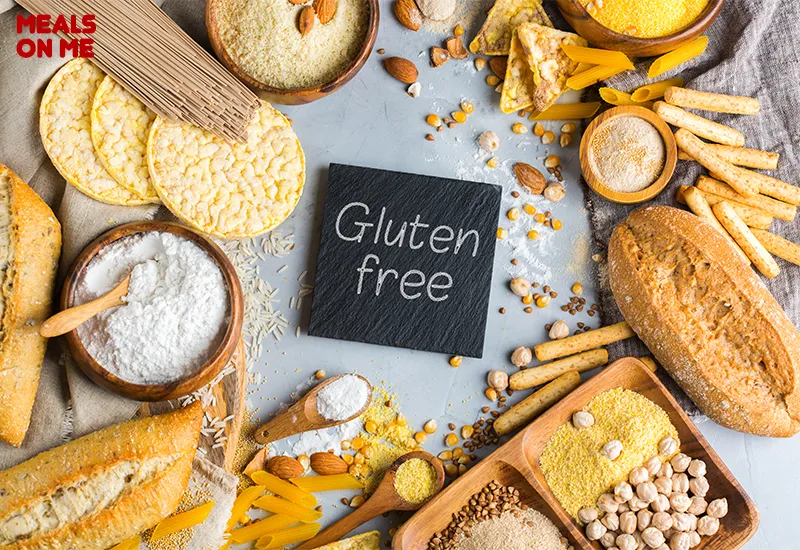
Gluten free foods include naturally gluten free options like
- Ice
- Buckwheat
- millet
- Fruits
- vegetables
- Pulses.
Many people are surprised to learn that grains like oats, barley, and wheat are gluten foods to avoid if following a gluten free diet plan.
Products like gluten-free bread, gluten free atta, and gluten free cereal make it easier to enjoy traditional meals without the gluten. Even snacks, such as gluten free chips, gluten free granola, or gluten free chocolate, are widely available now, making it simple to follow a gluten free lifestyle.
For those wondering, “does rice have gluten?” The answer is no. Rice is naturally gluten free and can be part of a gluten free meal plan. Similarly, buckwheat, despite its name, is not related to wheat and is gluten free; it can be prepared in multiple ways for a healthy food list or added to a gluten free diet plan.
By understanding what gluten is and what foods are naturally gluten free, you can confidently create a healthy gluten free diet plan without feeling restricted or missing out on flavour.
Foods To Eat and Avoid on a Gluten-Free Diet
Switching to a gluten-free diet can feel overwhelming at first, but it doesn’t have to be. The key is understanding that gluten is a protein found in certain grains like wheat, barley, and rye. For most people, gluten is harmless, but those with coeliac disease or gluten sensitivity need to avoid it. A balanced gluten-free diet focuses on naturally gluten-free foods that provide essential nutrients while keeping meals satisfying and delicious. Once you know which foods are safe and which to avoid, following a gluten-free diet plan becomes much easier.
Foods to Eat:
- Naturally gluten-free grains: Rice, buckwheat, millet, quinoa, gluten-free wheat flour
- Fruits and vegetables: Fresh fruits name, vegetables name
- Pulses and legumes: Lentils, chickpeas, beans
- Gluten-free products: Gluten-free bread, gluten-free atta, gluten-free granola, gluten-free cereal
- Snacks and treats: Gluten-free chips, gluten-free chocolate
- Healthy additions: Nuts, seeds, healthy food items, whole grains list
- Beverages: Gluten-free beer
Foods to Avoid:
- Gluten-containing grains: Wheat, barley, rye, triticale
- Regular baked goods: Bread, cakes, pasta, pastries made with wheat
- Processed foods with hidden gluten: Sauces, soups, dressings, snack foods
- Certain oats: Only oats labelled gluten-free
- Beer and cereals made from barley or wheat
- Packaged foods not marked gluten-free
What is a gluten-free diet?
A gluten‑free diet means removing all foods that contain gluten, the protein found in grains like wheat, barley, rye and their hybrids.
People with medical conditions such as Celiac disease or non‑celiac gluten sensitivity rely on a gluten‑free diet to prevent discomfort, inflammation or damage to the small intestine.
Following a gluten‑free diet takes some care, many everyday foods and processed items use wheat or other gluten‑containing grains, often where you wouldn’t expect them.
That said, you don’t have to “give up food” entirely. A gluten‑free diet can still be balanced and varied. Naturally gluten‑free foods such as fruits, vegetables, plain dairy, meat, fish and many grains and starches (like rice, corn, millet, buckwheat and quinoa) can form the backbone of a healthy, gluten‑free eating plan.
Processed “gluten‑free products,” such as gluten‑free bread, pasta or cereal, can also help bridge the transition.. but you’ll need to read labels carefully, watch out for cross‑contamination, and ensure you get enough fiber, vitamins and nutrients often found in whole grains.
A gluten‑free diet isn’t about eliminating food, it’s about choosing foods that don’t contain gluten so that you or your body can stay healthy and comfortable.
Who Needs to Follow a Gluten Free Diet?
A gluten free diet is essential for people with medical conditions that make it difficult to digest gluten, the protein found in wheat, barley, rye, and related grains.
The most common group includes those following a celiac disease diet, who must avoid gluten foods completely to prevent inflammation and damage to the small intestine.
Others with gluten intolerance or non-celiac gluten sensitivity may also benefit from a gluten free diet plan. Even individuals exploring healthier eating options or trying avoiding gluten for digestive wellness can include gluten free foods in their routine.
Naturally gluten free foods like rice, millet, buckwheat, fruits name, vegetables name, pulses, and whole grains list items form the foundation of a balanced gluten free meal plan. Gluten free products like gluten free bread, gluten free atta, gluten free cereal, gluten free granola, gluten free chips, and gluten free chocolate make following the diet easier and more enjoyable. Even beverages like gluten free beer are available for those on a gluten and dairy free diet.
For anyone wondering what foods are gluten free, the answer includes rice, gluten free grains, wheat-free oats, and healthy food items from a healthy food list. Understanding the gluten free meaning and knowing gluten foods to avoid is key to maintaining a safe, nutritious, and satisfying gluten free diet.
What Are the Benefits of a Gluten Free Diet?
Switching to a gluten free diet isn’t just a trend it can actually make a big difference for your body. For people with a celiac disease diet or gluten sensitivity, avoiding gluten foods helps prevent bloating, digestive issues, and inflammation. But even if you don’t have a medical condition, including gluten free foods in your meals can support better digestion and encourage more mindful eating.
A well-planned gluten free diet plan focuses on naturally gluten free foods like fruits name, vegetables name, rice, millet, buckwheat, and pulses. Adding gluten free products like gluten free bread, gluten free atta, gluten free granola, gluten free cereal, gluten free chips, or even gluten free chocolate makes it easy to enjoy your favourite meals without the gluten.
Going gluten free often nudges you toward a cleaner, more balanced diet. You end up choosing healthy food items, gluten free grains, and whole grains list options over processed gluten foods. Many people report feeling more energetic, less bloated, and overall healthier when following a gluten free meal plan.
What Proteins Are Safe on a Gluten Free Diet?
Eating enough protein is important on a gluten free diet to stay full, energised, and healthy. Here are the safest options:
Natural Protein Sources (Naturally Gluten Free Foods):
- Lean meats: Chicken, turkey, beef
- Fish and seafood
- Eggs
- Dairy products (unless following a gluten and dairy free diet)
- Plant-based proteins: Lentils, chickpeas, beans, and other grains and pulses
- Gluten free grains: Rice, millet, quinoa, buckwheat (is buckwheat gluten free? Yes!)
Processed Protein Options (Check Labels Carefully):
- Gluten free products such as gluten free bread, gluten free atta, gluten free granola, gluten free cereal
- Gluten free snacks and gluten free chocolate
- Be cautious of hidden gluten foods in protein bars or ready-made meals
How Can You Make a Gluten Free Diet Work Long Term?
Sticking to a gluten free diet over the long term doesn’t have to feel restrictive. The key is building habits around foods that are naturally safe and nutritious. Focus on gluten free foods like fruits name, vegetables name, grains and pulses, rice, millet, quinoa, and buckwheat (is buckwheat gluten free? Yes!) to form the foundation of your meals.
Using gluten free products such as gluten free bread, gluten free atta, gluten free cereal, gluten free granola, gluten free snacks, or even gluten free chocolate can make everyday eating easier, but always check for hidden gluten foods.
Planning ahead with a weekly gluten free meal plan or trying simple gluten free diet recipes can prevent last-minute stress and keep your diet balanced. Learn which gluten foods to avoid, from wheat and barley to processed items, and understand differences like barley vs wheat or rice and gluten.
What Foods Are Gluten-Free?
Eating a gluten free diet isn’t just about avoiding wheat. It’s about choosing foods that are naturally free from gluten foods while still being nutritious, satisfying, and versatile. Whether you are following a celiac disease diet, trying a gluten and dairy free diet, or simply avoiding gluten for digestive health, knowing what foods are gluten free is essential.
Naturally gluten free foods form the backbone of a balanced gluten free meal plan. These foods include grains, fruits, vegetables, proteins, dairy, and even snacks and beverages that are safe to enjoy daily.
Naturally Gluten-Free Grains
Grains are a staple in any diet, and the good news is that several are naturally gluten free foods. They provide energy, fibre, and essential nutrients for a healthy lifestyle. Some of the best options include:
- Rice – Perhaps the most versatile grain, rice can be used in salads, main meals, or as a side. Does rice have gluten? No, it’s naturally safe for a gluten free diet plan.
- Millet – Millet is high in fibre and easy to cook. It works well as a porridge or added to soups and sauces for extra texture. (Define millet)
- Buckwheat – Often confused with wheat, buckwheat is naturally gluten free. Rich in protein and fibre, it’s perfect for breakfast bowls or salads. (Is buckwheat gluten free? Yes)
- Quinoa – A complete protein, quinoa is excellent for salads, stews, or even as a breakfast cereal.
Tips: Always choose whole grains and unprocessed forms to avoid hidden gluten foods, and try mixing different grains in your gluten free meal plan to boost variety and nutrition.
Healthy Fruits
Fruits are naturally safe and an important part of a gluten free diet. They are packed with vitamins, minerals, fibre, and antioxidants, making them ideal for snacks, desserts, or additions to meals. Examples of top choices include:
- Apples – Easy to carry as a snack or slice into salads.
- Berries – Blueberries, strawberries, and raspberries are nutrient-dense and perfect for breakfast bowls or smoothies.
- Bananas – A natural energy booster, excellent for breakfast or a pre-workout snack.
Pro tip: Pair fruits with protein-rich foods like eggs or nuts to make a balanced snack that keeps you fuller for longer.
Nutritious Vegetables
Vegetables are essential for a gluten free diet plan, providing fibre, vitamins, and minerals without any gluten foods. Including a variety of colourful vegetables ensures a wide range of nutrients. Some highly recommended options are:
- Spinach – High in iron and versatile for salads, smoothies, or cooked dishes.
- Broccoli – A fibre-rich vegetable that works well steamed, roasted, or stir-fried.
- Carrots – Can be eaten raw, roasted, or in soups and sauces, adding natural sweetness and crunch.
Tip: Rotate vegetables weekly to cover different nutrients, and combine with gluten free grains or proteins for balanced meals.
Naturally Gluten-Free Proteins
Protein is crucial for energy, muscle maintenance, and overall health. Many protein sources are naturally gluten free foods, making them perfect for a gluten free diet plan:
- Chicken and turkey – Lean, versatile, and can be baked, grilled, or cooked in soups and sauces.
- Fish and seafood – Rich in protein and omega-3 fatty acids, ideal for a healthy diet.
- Eggs – Affordable, versatile, and suitable for any meal of the day.
- Plant-based proteins – Lentils, chickpeas, beans, and grains and pulses add fibre and nutrients while being naturally gluten free.
Pro tip: When buying processed proteins like gluten free snacks or gluten free granola bars, always check labels for hidden wheat gluten.
How Meals on Me Helps You Go Gluten-Free Without Stress
Trying to eat gluten-free can feel impossible sometimes, especially if your days are long and unpredictable. That is where Meals on Me makes a real difference. Every meal is freshly prepared with real, wholesome ingredients and completely free from gluten, preservatives, artificial colours and MSG. You get healthy grains like rice, quinoa and millet, plenty of fresh vegetables, lean proteins and pulses all balanced in one plate.
For anyone who is busy, whether it is a service man, someone working long hours or a student running between classes, Meals on Me makes sure you can stick to your gluten-free diet without worrying about hidden gluten or spending hours cooking. The meals are ready to eat, satisfying and designed to keep your energy levels up throughout the day.
Eating gluten-free does not have to be complicated. With meals delivered straight to your door, you can enjoy every bite and still focus on your work, training or family without constantly checking labels or wondering if your food is safe.
The Takeaway
Going gluten-free is not about giving up foods you love. It is about choosing meals that make you feel lighter, more energised and healthier. Focusing on naturally gluten-free grains, fresh fruits and vegetables, protein-rich foods and well-made gluten-free products is the key.
With Meals on Me, sticking to this kind of diet becomes much easier. Every meal is prepared with care so that you do not have to compromise on taste or nutrition. Whether you are a busy professional, a service man or just someone who wants to eat healthier, gluten-free eating can be simple, enjoyable and something you look forward to every day.
A Final Word on Gluten: 4 Tips for Eating a Healthy Gluten-Free Diet
Here are a few real, practical tips that can help you build a healthy gluten-free routine while still loving every bite.
1. Shop Fresh and Local
When it comes to gluten-free foods, the simpler they are, the better they’ll be for your body. Try to fill your plate with natural, whole ingredients instead of packaged items. Fresh fruits, colourful vegetables, lean proteins, and naturally gluten-free grains like rice and quinoa are your best friends.
If you have a farmers’ market nearby, make it your weekend ritual. You’ll find gluten-free vegetables, fruits, herbs, and spices straight from the farm without worrying about hidden gluten or contamination. It’s also a wonderful way to support your local community and enjoy fresher, more flavourful food.
A small tip that helps many people stay on track is to keep a gluten-free food list on your phone. It’s a quick reference when you’re shopping, especially for things like sauces or dressings that may secretly contain gluten.
2. Always Check for the Gluten-Free Label
Knowing what foods contain gluten and which foods are gluten-free can feel tricky at first. But labels make the process much easier.
In the UK, any product labelled “gluten-free” must meet strict standards, meaning it contains less than 20 parts per million of gluten. This level is considered safe even for people with coeliac disease.
You might also come across products that say “free from” or that carry a gluten-free certification. These have been tested to ensure they’re safe for those following a gluten-free diet.
Be mindful, though. Phrases like “low gluten” or “gluten-reduced” don’t mean the same thing as “gluten-free.” These still contain higher levels of gluten and may cause symptoms for sensitive individuals. Always double-check before you add something to your basket.
3. Be Smart When Dining Out
Eating out can be the hardest part of a gluten-free lifestyle. While many restaurants today use more whole foods and fresh ingredients, not all are equipped to handle gluten allergies safely.
Before heading out, take a few minutes to look at the restaurant’s menu online. Many places now highlight gluten-free dishes or offer clear “free from foods” options. When you arrive, don’t be shy about asking questions. Chefs and servers are usually happy to explain how your meal is prepared.
If you are wondering what you can eat on a gluten-free diet while dining out, keep it simple. Think grilled fish or chicken, steamed vegetables, rice bowls, or salads without croutons. These options are safe, satisfying, and full of flavour.
4. Make Life Easier with Meals on Me
Cooking every meal at home is great in theory, but in reality, it’s time-consuming and not always practical. Gluten-free recipes can be fun to experiment with, but sourcing ingredients and cooking daily can quickly become overwhelming.
That’s why Meals on Me exists. We make it effortless to enjoy wholesome, gluten-free meals that are ready to eat and full of flavour. Each dish is created with fresh, high-quality ingredients and is completely free from preservatives, artificial colours, and MSG.
Our team of chefs carefully design each meal to ensure it’s both healthy and satisfying. Whether you’re following a strict gluten-free diet or just trying to eat more balanced, we make sure you never have to compromise on taste or nutrition.
With Meals on Me, you can finally relax knowing your food is genuinely good for you. Delicious, fresh, and thoughtfully prepared…it’s everything you need to make gluten-free living simple, healthy and enjoyable.