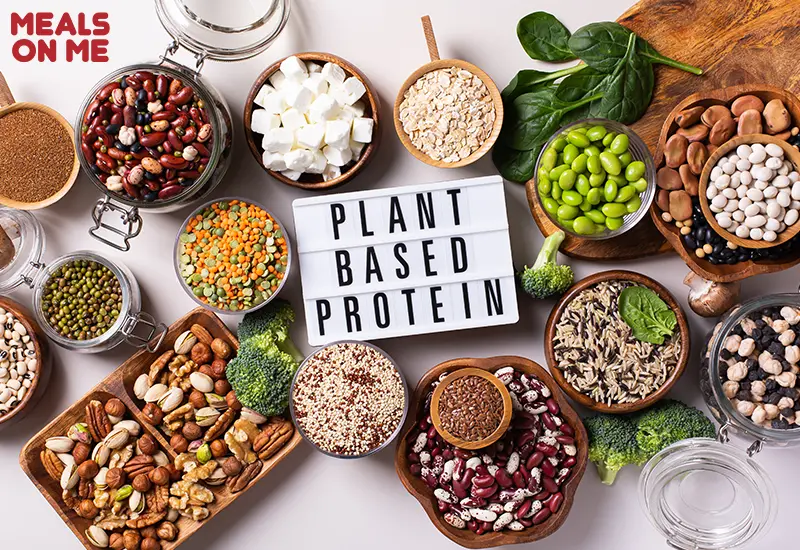
If you are a vegan or vegetarian, bet you have been asked this a million times: “Where do you get your protein from?”
Protein is often the first thing people question when someone chooses a vegetarian or vegan lifestyle. There is this huge misconception that being on a plant-based diet means your body is not getting its adequate protein intake.
Yet, with the right knowledge and variety, plant-based diets can pack a punch by delivering more than enough protein for energy, muscle health, and overall wellbeing.
In this guide, we break down the best vegetarian protein sources, answer common doubts, and show how vegans and vegetarians can meet their daily protein needs without meat, dairy, or soy.
Let’s start by listing the top 10 protein sources from the plant kingdom.
10 Best Vegan and Vegetarian Protein Sources
- Lentils
- Chickpeas
- Quinoa
- Tofu and Tempeh
- Beans
- Nuts (Almonds, Peanuts, Cashews)
- Seeds (Chia, Pumpkin, Hemp, Flax)
- Edamame
- Oats
- Plant-Based Protein Powders
1. Lentils
Lentils are one of the most reliable vegetarian protein sources, offering around 18g of protein per cooked cup. They’re also rich in fibre and iron, making them ideal for everyday meals like dals, soups, and stews.
2. Chickpeas
Chickpeas provide roughly 14–15g of protein per cup and are incredibly versatile. From hummus to chana masala, they’re a staple among high protein vegetarian foods.
3. Quinoa
Unlike most plant foods, quinoa is a complete protein, meaning it contains all nine essential amino acids. This makes it one of the best vegetarian protein sources for balanced nutrition.
4. Tofu and Tempeh
Derived from soybeans, tofu and tempeh are concentrated vegan protein options, delivering 15–20g of protein per serving. Tempeh, being fermented, also supports gut health.
5. Beans
Beans offer a solid protein boost alongside complex carbohydrates. They’re filling, affordable, and perfect for curries, salads, and wraps.
6. Nuts (Almonds, Peanuts, Cashews)
Nuts are calorie-dense but valuable good sources of protein for vegetarians, especially when paired with whole grains or fruit. Peanuts, in particular, pack nearly 7g of protein per handful.
7. Seeds (Chia, Pumpkin, Hemp, Flax)
Seeds may be small, but they’re protein-rich and nutrient-dense. Hemp seeds, for example, provide 9–10g of protein per three tablespoons.
8. Edamame
Young soybeans are an underrated vegan protein source, offering around 17g of protein per cup. They’re also rich in folate and magnesium.
9. Oats
Oats provide around 10g of protein per cup and work well as a base for both sweet and savoury meals. Adding nuts or seeds turns them into a protein-rich option.
10. Plant-Based Protein Powders
Pea, rice, or hemp protein powders can help bridge protein gaps, especially for active individuals or those with higher requirements.
Now that we are armed with a list of the best plant protein sources, the next question that pops up is: how to make your plant-based diet more protein-rich? Let’s find out more in the next section.
Can I Get Enough Protein on a Vegetarian Diet?
Yes, absolutely. One of the biggest myths about vegetarian protein is that it’s insufficient. In reality, a well-planned vegetarian diet easily meets daily protein needs by combining lentils, legumes, grains, nuts, and seeds.
The key to getting adequate protein from a plant-based diet is aiming for variety and consistency rather than relying on a single food source.
Choosing a plant source that brings high-quality protein in every bite is a great way to start. Want to know more about the best protein from the plant kingdom? Read on.
What’s the Best Plant-Based Protein for Muscle Building?
For muscle growth, foods rich in essential amino acids are key. Quinoa, tofu, tempeh, lentils, and legumes paired with whole grains work exceptionally well.
Among best vegetarian protein sources, soy-based foods and legumes stand out for their higher protein density, especially when combined across meals.
If dairy and soy-based foods are not your favourites, don’t be disheartened! There are many other plant-based sources that add a power-packed protein punch to your diet. In fact, the next section is on it.
How Can I Increase My Protein Intake Without Dairy or Soy?
Avoiding dairy and soy doesn’t mean sacrificing protein. Lentils, chickpeas, beans, quinoa, nuts, seeds, and plant protein blends offer plenty of options.
Mixing cereals with pulses improves protein quality, making them excellent vegan protein sources without allergens.
Eating a mix of protein-rich plant foods helps build lean mass, boost muscle strength and aid recovery. But some feel more can be done. Read the next section to find out if it’s needed.
Do I Need Protein Supplements If I’m a Vegetarian?
Not necessarily. Most people can meet their needs through whole foods. Supplements may help athletes, busy professionals, or those with higher protein targets, but they aren’t mandatory.
Whole-food vegetarian protein sources also provide fibre, vitamins, and minerals that powders often lack.
Great! Now we know what we need to eat with regard to our vegan options. The next step is — how do we go include it in our daily diet? Keep reading to find out.
How Can a Vegan Get 100g of Protein a Day?
Reaching 100g of protein is achievable with planning. A day might include:
- Lentil or chickpea curry (20–25g)
- Quinoa or brown rice bowl (15g)
- Tofu or tempeh dish (25g)
- Nuts, seeds, and snacks (15–20g)
- Optional plant protein shake (20g)
Choosing planned vegan and vegetarian meals from meal delivery services like Meals on Me ensures a steady intake of vegan protein throughout the day. As an added bonus, you won’t need to worry about hitting your protein intake through non-meat sources. To make things easier, we have listed these in the next section.
What Is a Good Source of Protein That Isn’t Meat?
Lentils, beans, tofu, tempeh, quinoa, nuts, seeds, and plant-based protein blends are all excellent non-meat options. These good sources of protein for vegetarians provide nutrition without relying on animal products.
A Note on Making Protein Easy
Planning balanced, protein-rich meals every day can be time-consuming. This is where structured meal plans like the ones from Meals on Me can help. For instance, Meals on Me’s Vegan and Vegetarian Meal Plans are designed to include diverse, high-quality plant proteins without repetitive or bland meals—making consistency easier without overthinking nutrition.
Conclusion
Getting enough protein on a vegetarian or vegan diet is not only possible—it’s practical and enjoyable. By choosing a variety of vegan protein sources and vegetarian protein sources, you can support muscle health, energy levels, and long-term wellbeing.
From lentils and legumes to quinoa, seeds, and traditional meals picked from across the globe, the options in Meals on Me’s Vegan and Vegetarian meal plans are abundant. Whether your goal is fitness, convenience, or mindful eating, understanding how vegetarians get protein helps you make informed, confident food choices.
FAQs
Yes. Each meal is thoughtfully planned by 5-star chefs and expert nutritionists to ensure balanced calories, plant-based protein, and essential nutrients.
Yes, when eaten in variety, plant proteins provide all essential amino acids that your body needs.
A meal from our Vegan and Vegetarian Meal plan offers 25- 35g of protein. This takes care of your daily protein intake limit.
You’ll enjoy a variety of global flavours — from comforting classics to modern, chef-crafted vegan and vegetarian meals that never feel repetitive.
They do. Our meals are calorie-controlled and portioned to support mindful eating, whether your goal is wellness, balance, or weight management. However, weight loss and weight management are best achieved when paired with regular and adequate exercise.